
Question 1:
I have visited many places in India. I noticed some are chanting “Hare Rama” mantra first then “Hare Krsna”. Why?
Answer 1 by Romapada Swami:
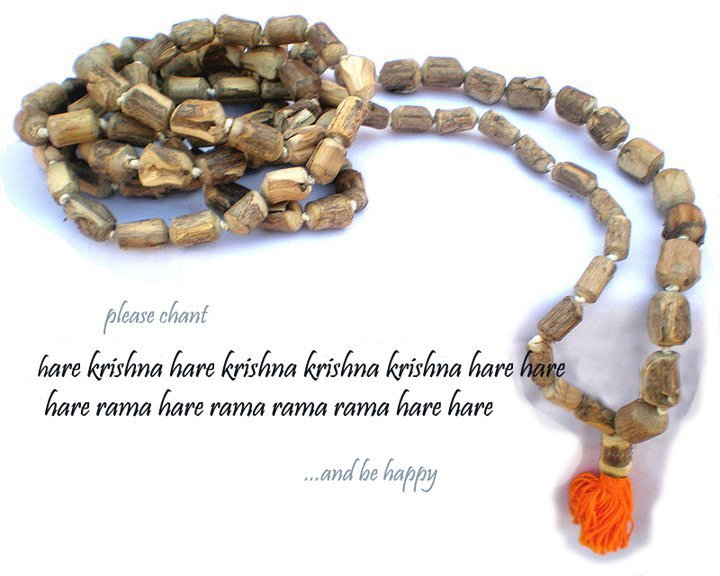
The mantra as most Gauḍīya Vaiṣṇavas chant it is:
Hare Kṛṣṇa Hare Kṛṣṇa
Kṛṣṇa Kṛṣṇa Hare Hare
Hare Rāma Hare Rāma
Rāma Rāma Hare Hare
This order is found in the original Kali-Saṇṭāraṇa Upaniṣad, where the mantra appears beginning with “Hare Kṛṣṇa”. This is mentioned by Srila Prabhupada in the purport of Sri Caitanya-caritamrta Adi lila 3.40
So why do some chant “Hare Rāma” first?
In some South Indian bhajana traditions and certain Rāmānandī or Rāma-bhakta lineages, the mood centers primarily on Lord Rāma. So naturally, the mantra is sung beginning with “Hare Rāma.” It reflects devotional emphasis, not theological disagreement.
From a Gauḍīya perspective, following Sri Chaitanya Mahaprabhu, the order beginning with “Hare Kṛṣṇa” is preserved because it matches the Upaniṣadic reference and carries a specific internal theological progression — from sambandha (relationship) to deeper rāga (attachment for Lord Krishna. We follow what the ācāryas have handed down to us, as established by the Gauḍīya line descending from Sri Chaitanya Mahāprabhu.
Question 2:
Can we just chant only the “Hare Krsna” part of the mantra? Why do we need the “Hare Rama” part of the mantra?
Answer 2 by Romapada Swami:
In the Kali-Saṇṭāraṇa Upaniṣad, the mantra is presented exactly in its 16-word form, not in 8 words. We should not be selective.
From a paramparā standpoint, we don’t edit what is received. We preserve it intact.
It’s not that we need to add Hare Rāma because Hare Kṛṣṇa is insufficient. Rather, the revealed mantra is complete in its given form.
In Gauḍīya understanding (as emphasized by Śrī Caitanya Mahāprabhu), the names represent the full spectrum of divine relationship:
- Hare — the Lord’s internal energy (Śrī Rādhā)
- Kṛṣṇa — the all-attractive Supreme
- Rāma — the reservoir of pleasure (which can refer to Balarāma, or Kṛṣṇa Himself as Rādhā-Ramaṇa)
If someone chants only “Kṛṣṇa” with pure love, that is spiritually potent.
If someone chants only “Rāma” with full surrender, that is also spiritually potent.
The Lord is not limited.
However, in sādhana we don’t improvise. We follow what the ācāryas have handed down especially as established by the Gauḍīya line descending from Sri Chaitanya Mahāprabhu.